
Living Connected While Sharing Expenses
Rent Keeps Rising and Space Keeps Shrinking
Housing costs have climbed faster than wages in almost every city. Rent alone now takes a bigger share of someone’s paycheck than it did five years ago, and that’s before utilities or anything else gets added on.
At the same time, good housing stock sits empty or falls into disrepair because the old models don't fit how people actually live and work today.
Co-living is a direct answer to that gap.
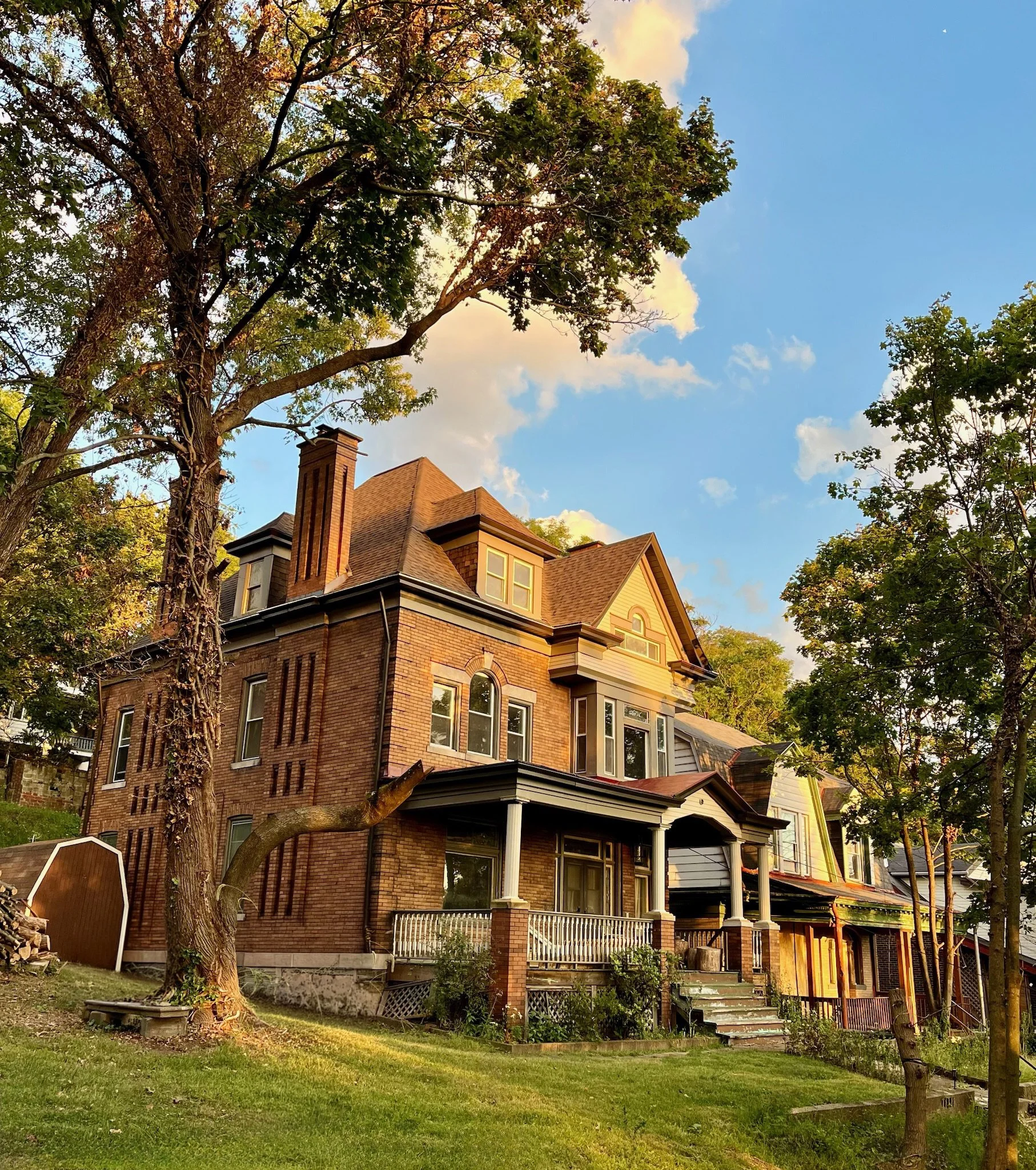
We renovate and restore homes into places where people can share space, cut costs, and build real community.

What Co-Living Is
Co-living is a values-driven residential model built around shared responsibility, affordability, and community. Residents choose to live together, split the cost of housing and utilities, and share common spaces while keeping their own bedrooms and privacy.
Unlike institutional housing, co-living puts residents in control. There are no case managers or clinical staff, and management responsibility relies on residents. People choose the house, choose their housemates, and sign a standard lease like any other rental.

Who Lives This Way
Construction crews working a job site for months at a time need a real home base, not a hotel bill eating into their pay.
Artists and creatives want to split housing costs with people who share their world and their studio space.
Traveling nurses and healthcare workers need clean, quiet, mid-term housing that's ready the day they arrive.
Students want a structured, affordable alternative to a dorm or a solo lease they can't carry alone.
Anyone priced out of a market where rent has outpaced income wants a way back in.
A Community Within the Community
When people share a home, they build a small support system inside the larger neighborhood. Housemates split chores, share rides, and look out for each other. That stability doesn't stay inside the house. Occupied, well-kept homes cut down on vacancy. Residents who take pride in their space bring foot traffic, upkeep, and energy back to the community.
Co-living doesn't just house people. It strengthens the block they live on.
What Co-Living Is Not
Co-living often gets confused with group homes and halfway houses. It isn't either one, and the difference matters.
Co-Living
Lease-based, chosen by the resident
No clinical staff or supervision
Residents govern their own household
A home with shared culture
Group Home
Residents are placed, not chosen
Staff-driven, licensed, and regulated
Compliance and oversight-driven
An institutional environment
The core difference: co-living is voluntary and resident driven. Group homes are regulated and often do not include live in management.
A Model Built to Strengthen Neighborhoods
We restore vacant or blighted properties with the intention of turning them into stable, occupied homes.
For investors and partners: a housing model that fills a real gap in affordable, mid-term rental housing or shared equity ownership, with demand across multiple tenant groups.
For philanthropic organizations: a way to fund housing stability & community rebuilding without operating or licensing a facility. In service to the neighborhood.
For local officials and community groups: a private-investment answer to blight and vacancy that keeps homes residential, keeps residents in control, and requires no institutional license.